How Weather Conditions Affect Concrete Delivery and Placement
People seeking concrete delivery often want reliable service to ensure proper placement despite weather challenges, and local contractors can help manage weather-related issues effectively.
Understanding how weather conditions affect concrete delivery and placement is essential for property owners planning construction or renovation projects. Fluctuations in temperature, humidity, and precipitation can influence the timing, quality, and success of concrete work. For individuals managing outdoor projects, being aware of these factors helps ensure that concrete is poured and set properly, avoiding issues like cracking, improper curing, or delays. Local contractors experienced in concrete services are well-versed in these weather considerations and can adjust their methods accordingly to achieve the best results.
Property owners in the area who want to optimize their concrete projects should explore how weather conditions impact delivery and placement. By partnering with service providers familiar with the local climate, they can better plan for weather-related challenges and ensure their project progresses smoothly. Whether it’s scheduling around rain or extreme temperatures or employing techniques to protect freshly poured concrete, the expertise of local pros can make a significant difference. Keep reading to learn practical tips and insights that can help make your concrete installation successful regardless of the weather.
- Concrete delivery services are essential when unpredictable weather conditions threaten to delay or compromise the quality of the pour, and local contractors can adjust schedules accordingly. Weather-sensitive factors like rain or extreme heat require experienced service providers to modify delivery methods to prevent setting issues. When cold temperatures or frost are a concern, local pros can provide solutions to ensure proper curing and placement. During windy or stormy conditions, local contractors can implement safety measures to protect both the crew and the concrete. Contact local service providers to discuss how weather conditions might impact concrete delivery and placement for your project.
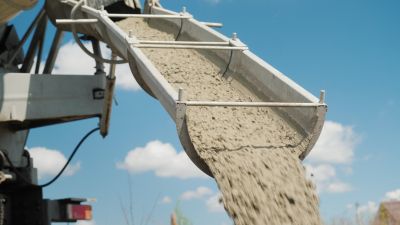

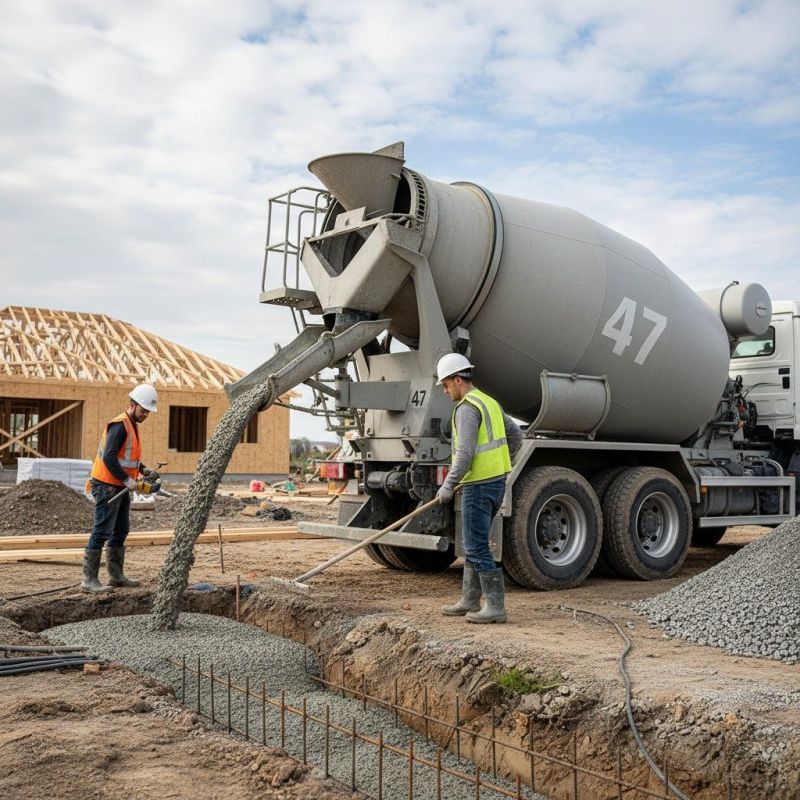
When people search for how weather conditions affect concrete delivery and placement, they are usually trying to understand how different types of weather can impact the success of a concrete project. Homeowners or property owners planning projects like driveways, patios, or foundation work often want to know if rain, extreme heat, cold, or humidity could cause delays or issues. They may also be concerned about how weather might affect the quality of the finished surface or the timing needed for proper curing. This information helps them plan better, ensuring that their project proceeds smoothly and that the concrete sets properly without cracks, weak spots, or other problems caused by unsuitable weather conditions.
This topic is closely related to a variety of project plans and potential problems that can arise during concrete work. For example, rain or high humidity can lead to delays in pouring concrete, as excess moisture can weaken the mixture or cause it to set improperly. Cold weather can slow down the curing process or cause the concrete to freeze before it hardens fully, risking cracks or structural issues. Conversely, hot and dry conditions can cause the concrete to dry too quickly, leading to surface cracking or uneven curing. Understanding these challenges allows property owners to coordinate with local contractors who can adjust schedules, use weather-appropriate mixes, or implement protective measures to ensure the concrete performs as intended.
Certain properties and environmental factors tend to come up when discussing how weather affects concrete delivery and placement. These include the geographic location, seasonal climate patterns, and the specific site conditions of a property. For example, outdoor projects in colder climates may require heated enclosures or additives to prevent freezing, while those in hot regions might need water-retaining treatments to slow evaporation. Additionally, properties with limited access or those located in areas prone to sudden weather changes may need more careful planning and flexible scheduling. Local service providers are familiar with these conditions and can recommend strategies to mitigate weather-related risks, helping ensure the project’s success regardless of environmental challenges.
Understanding how weather conditions influence concrete delivery and placement is essential for homeowners and property managers involved in construction or renovation projects. Proper planning and communication with local contractors can help prevent delays, reduce material waste, and improve the overall quality of the finished work. These professionals are equipped to adapt their methods to the weather, whether that means scheduling around rain, using special mixes for cold weather, or applying protective coverings in hot or windy conditions. Recognizing the impact of weather on concrete work highlights the importance of working with experienced local service providers who can navigate environmental factors effectively and help bring a project to completion with durable, high-quality results.
Road Construction Projects - Road construction often relies on precise concrete delivery and placement, which can be affected by weather conditions; local contractors can adapt schedules accordingly.
Commercial Building Foundations - Proper foundation work depends on controlled concrete placement, with weather considerations influencing timing and techniques used by nearby service providers.
Bridge and Overpass Construction - These projects require careful planning of concrete delivery to withstand weather impacts, with local pros managing weather-sensitive scheduling and logistics.
Residential Driveway Installations - Weather conditions can influence concrete curing and finishing, making local contractors essential for optimal results under varying weather scenarios.
Precast Concrete Manufacturing - Manufacturing precast elements involves controlling weather effects on curing processes, with local specialists providing weather-aware handling and transport.
Industrial Facility Construction - Large-scale industrial projects depend on timely concrete placement, with weather conditions dictating adjustments that local service providers can support.
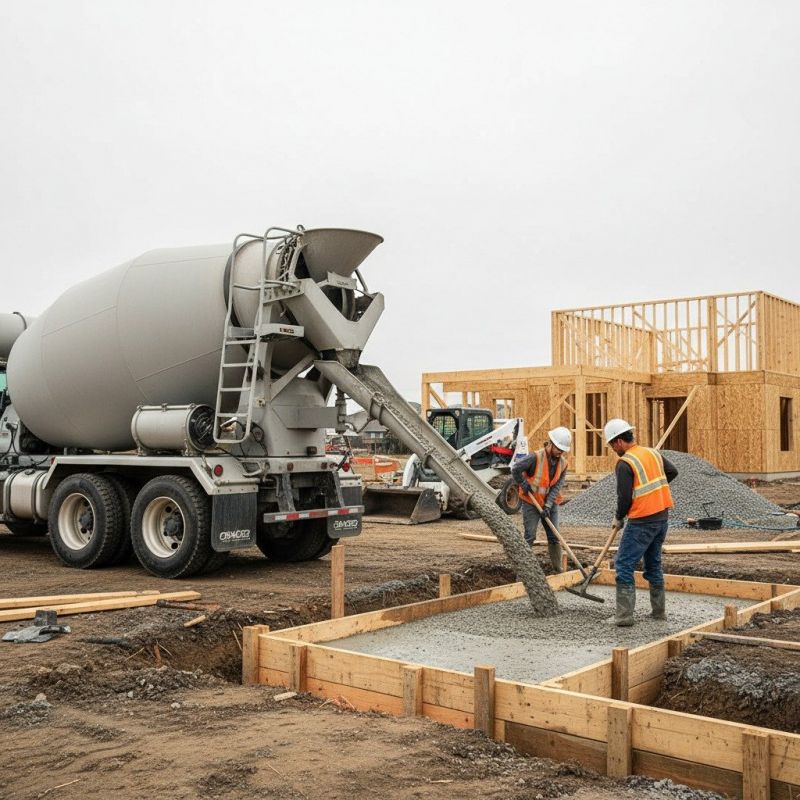
When evaluating concrete delivery services, it is important to consider the experience of local contractors with projects similar in scope and conditions. Contractors who have handled concrete placement under various weather scenarios are likely to understand how factors like temperature, humidity, and precipitation can influence the work. Asking for references or examples of past projects can provide insight into their familiarity with weather-related challenges and their ability to adapt to changing conditions effectively.
Clear, written expectations are essential when comparing service providers, especially regarding how weather conditions might impact the delivery and placement process. A reputable contractor should be able to outline how they plan to manage weather-related issues, including contingency plans or scheduling considerations. Ensuring that these expectations are documented helps prevent misunderstandings and provides a basis for evaluating how well a contractor can handle the unpredictable nature of weather during concrete projects.
Good communication is a key factor in selecting a reliable service provider. Local contractors who maintain open lines of communication are better equipped to inform homeowners about potential weather delays or adjustments needed during the project. Reputable providers should be responsive to questions and transparent about their approach to weather-related challenges, demonstrating their commitment to keeping clients informed and prepared for any weather conditions that could affect concrete delivery and placement.
Property owners often search for how weather conditions affect concrete delivery and placement when they are planning practical projects around their homes and businesses. Local pros provide Concrete Delivery services for everyday jobs and straightforward project options.
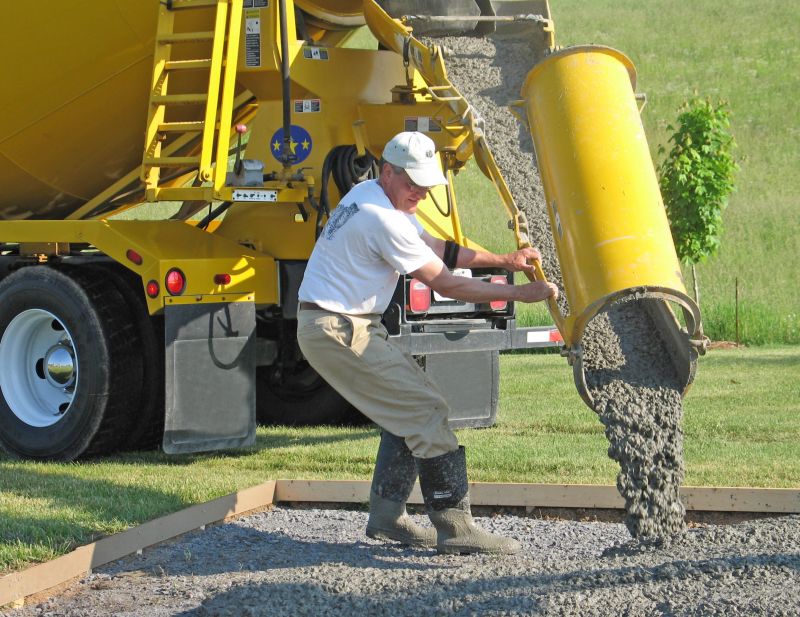

Weather conditions play a significant role in how concrete delivery and placement are managed on construction and renovation projects. For property owners planning to pour concrete, understanding how factors like rain, temperature, and humidity can impact the process is essential. Adverse weather, such as rain or extreme heat, can delay delivery schedules, affect the setting time, and influence the quality of the finished surface. Local contractors are experienced in adjusting their approach based on current weather patterns, ensuring that concrete is delivered and placed under optimal conditions to achieve the best results.
Many property owners look into how weather conditions affect concrete delivery and placement to avoid potential issues like cracking, improper curing, or surface imperfections. Service providers in the area are equipped to handle these challenges by monitoring weather forecasts and employing techniques such as protective coverings or temperature control measures. Connecting with local pros can help ensure that concrete work proceeds smoothly regardless of weather variations, leading to a durable and high-quality finish.
How do temperature fluctuations impact concrete delivery and placement? Extreme temperatures can affect the setting time and strength development of concrete. Local contractors often adjust mix designs or timing to ensure proper curing despite temperature changes.
Can rain or high humidity interfere with concrete delivery and placement? Yes, excessive moisture can compromise the quality of concrete and cause delays. Experienced service providers know how to protect and adapt during wet conditions to maintain concrete integrity.
What weather conditions are most challenging for concrete placement? Conditions such as freezing temperatures, heavy rain, or high winds pose significant challenges. Local pros can implement measures like heating or covering to mitigate these issues.
How do weather conditions influence the timing of concrete delivery? Adverse weather can necessitate rescheduling or adjusting delivery times to prevent issues like premature setting or cracking. Local contractors coordinate with weather forecasts to optimize placement windows.
What steps do local service providers take to ensure quality concrete placement in varying weather conditions? They may use specialized mixes, protective coverings, or heating methods, and adjust work schedules to accommodate weather, ensuring the concrete cures properly regardless of conditions.
Monitoring weather forecasts helps property owners plan concrete delivery and placement during optimal conditions, reducing delays caused by rain or extreme heat.
Scheduling work during mild weather ensures concrete can set properly, avoiding issues like cracking or weak spots due to temperature fluctuations.
Choosing experienced local contractors can provide guidance on weather-related adjustments, such as protective coverings or timing changes, to ensure quality results.
Understanding weather impacts allows property owners to coordinate with service providers for flexible scheduling and weather-aware planning.
If you are thinking about how weather conditions affect concrete delivery and placement for a property, this guide is meant to help you understand this topic, the typical project types, and how different options might fit your plans.
When you are ready, you can use the quote form on this page to share a few details about your project. From there, local pros can review the basics and follow up with options that match what you have in mind.